



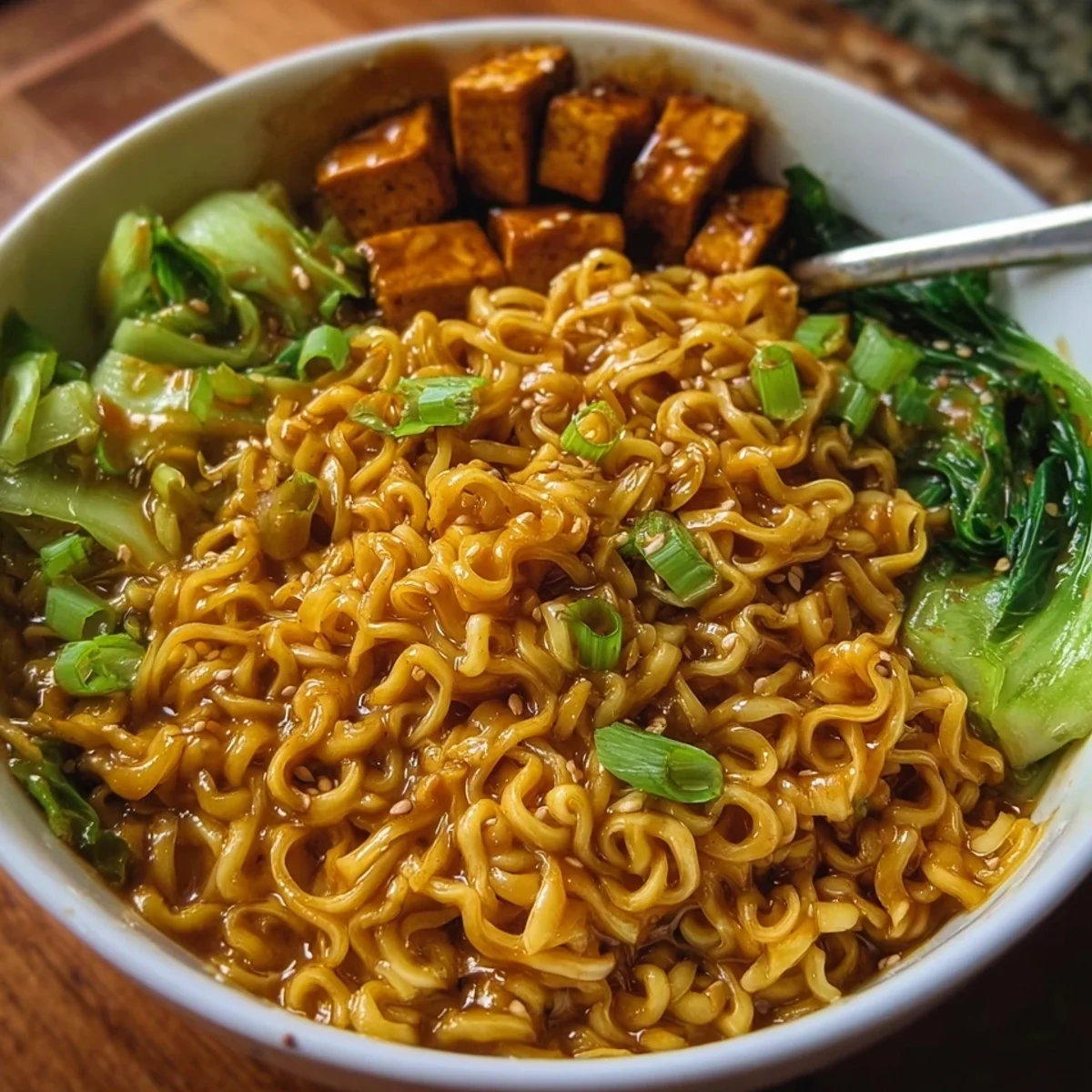
High protein vegan ramen noodles loaded with a rich, savory sauce. Ready in 30 minutes and packed with plant-based protein.
Okay, so it started on a rainy Tuesday when I was craving something warm, deeply savory, and actually filling you know, not that sad desk-lunch energy. I'd been experimenting with plant-based eating and honestly, I was skeptical that a bowl of noodles could keep me full past 3pm. But after tweaking this vegan protein ramen about a dozen times, I landed on something so good I genuinely make it every single week. No exaggeration.
Oops okay, real talk. The first time I made this, I accidentally grabbed salted broth instead of low-sodium and then also added the full two tablespoons of soy sauce without thinking. The result? I could feel my blood pressure rising just from the smell. I didn't expect that one tablespoon difference to matter so much. Lesson learned, friends. Always taste as you go. Always.
Vegan Protein Ramen: Ingredients That Make Every Slurp Count
- 3 cups low-sodium vegetable broth: This is your flavor foundation, so please don't skip the low-sodium part I learned that the hard way (see my disaster story above). The broth carries all the other flavors in this bowl, so a clean, good-quality vegetable broth really does make a difference. I usually grab a carton from the store, but if you have homemade on hand? Even better. It's the quiet backbone of the whole dish.
- 3 tbsp white miso paste: White miso is the secret weapon here, honestly. It adds this deep, fermented umami richness that makes the broth taste like it simmered for hours when really you made it in 15 minutes. It's also packed with gut-friendly probiotics, which is a nice bonus. Just make sure you whisk it in off the heat or at low temp so you don't kill all those good enzymes. This one ingredient transforms the whole vegan protein ramen experience.
- 2 tbsp soy sauce: Soy sauce brings that salty, savory depth that ties everything together. Two tablespoons is the sweet spot enough to season the broth without overwhelming it, especially since we're already using miso. I've tried tamari here too and it works beautifully if you need a gluten-free option. Just taste before you add more because between the miso and the soy sauce, you really don't need extra salt.
- 1 tbsp toasted sesame oil: Do not I repeat, do not swap this for regular sesame oil. The toasted version has this nutty, almost smoky depth that regular oil just can't replicate. I drizzle a little extra on top at the end too because why not? It's one of those finishing touches that makes this vegan protein ramen taste like something you'd order at a proper ramen shop. A little goes a long way, but it goes a long way in the best possible direction.
- 1 cup shelled edamame, thawed: Edamame is one of my favorite protein additions because it's so easy just thaw and toss in. These little green gems bring a satisfying bite and a good pop of plant-based protein to the bowl. They also add a gorgeous color contrast against the golden broth. I keep a bag in my freezer at all times specifically for this recipe. They cook up in minutes and honestly make the whole bowl feel more substantial and exciting.
- 1/4 cup hemp seeds: Hemp seeds are the unsung hero of this whole bowl. To be real, I resisted adding them for a while because they seemed fussy but they're not at all. You just sprinkle them on at the end and suddenly you've added a solid hit of complete plant-based protein, healthy fats, and a subtle nutty flavor. They're what push this from a regular noodle soup into something genuinely nourishing. Don't skip them!
How to Make Vegan Protein Ramen Step by Step
- Step 1: Prep Your Ingredients:
- Before anything hits the pan, get everything prepped and ready to go. Cube your tofu, thaw your edamame if it's frozen, measure out your miso, soy sauce, sesame oil, rice vinegar, and chili garlic sauce. This is called mise en place and it sounds fancy but really it just means 'don't be scrambling for the miso paste while your garlic is burning.' Trust me, I've been there. Having everything lined up makes the whole vegan protein ramen process smooth, fast, and genuinely enjoyable.
- Step 2: Crisp the Tofu:
- Okay, this step is where the magic starts. Heat a little oil in a non-stick skillet over medium-high heat and add your cubed extra-firm tofu in a single layer. Don't touch it! I know it's tempting, but let it sit undisturbed for about 3-4 minutes until it gets that gorgeous golden crust. Then flip and repeat. You want crispy edges with a tender center that textural contrast in the final vegan protein ramen bowl is everything. Season lightly with a pinch of salt and set aside.
- Step 3: Sauté Aromatics:
- In the same pan or a medium pot, add a tiny splash of sesame oil and sauté your aromatics I usually use garlic and ginger here, minced fine. The smell that fills your kitchen at this stage is honestly one of my favorite things about making this recipe. It's warm and sharp and a little sweet all at once. Cook for about a minute until fragrant, stirring constantly so nothing burns. This aromatic base is what gives the broth its soul.
- Step 4: Build the Broth:
- Now pour in your 3 cups of low-sodium vegetable broth and bring it up to a gentle simmer. In a small bowl, whisk together the white miso paste with a ladle of hot broth until it's fully dissolved this prevents clumping, which I didn't know for an embarrassingly long time. Then stir in the soy sauce, rice vinegar, and chili garlic sauce. Taste it. Adjust. This broth is the heart of your vegan protein ramen, so take a moment to make sure it tastes exactly right to you.
- Step 5: Cook the Noodles:
- Add your 6 oz of dried vegan ramen noodles directly into the simmering broth. I love cooking them right in the broth instead of separately because they soak up all that miso-sesame flavor as they cook. Stir occasionally and cook according to package directions usually around 3-4 minutes. They should be tender but still have a slight chew. To be real, overcooked noodles are the one thing that can let down an otherwise perfect bowl of vegan protein ramen, so keep an eye on the clock!
- Step 6 & 7: Add Protein, Greens, and Hemp Seeds:
- Stir in your thawed edamame and any greens you're using I love baby bok choy or spinach here and let them warm through for just a minute or two. Then nestle in your crispy tofu pieces. Finish by drizzling that glorious tablespoon of toasted sesame oil over the top and sprinkle your quarter cup of hemp seeds generously over each bowl. Those hemp seeds are the final protein boost that makes this vegan protein ramen genuinely satisfying and complete. Ladle into bowls and garnish with sliced scallions, sesame seeds, or a soft-boiled egg if you like.
Honestly, making this on a weeknight feels like a little ritual now. The smell of garlic and ginger hitting the pan, the sound of the broth coming to a simmer, the satisfying sizzle of tofu crisping up it's meditative in the best way. I put on a podcast, pour myself something to drink, and just enjoy the process. It's one of those recipes that makes you feel like a proper cook even on your most chaotic days.
Storage Tips for Your Vegan Protein Ramen Leftovers
Here's the thing about storing this and I learned this the not-fun way the noodles will absorb almost all the broth if you store everything together. So if you know you're making this for meal prep, cook the noodles separately and store them in their own container. Keep the broth with the tofu and edamame in a sealed container in the fridge for up to 3 days. The hemp seeds should stay in a separate little bag and only get added fresh when you're serving. Reheat the broth gently on the stovetop over low heat microwaving miso broth tends to dull the flavor. Add the noodles back in during reheating and they'll come back to life beautifully. Don't freeze this one the tofu texture gets a little strange after freezing and thawing.

Easy Swaps and Substitutions for Vegan Protein Ramen
To be real, I've made about fifteen versions of this recipe by now, so I have opinions on swaps! If you can't find white miso, yellow miso works but it's a bit stronger, so start with 2 tablespoons instead of 3. Tempeh is a great swap for tofu if you want a heartier, nuttier protein just cube and pan-fry the same way. No edamame? Frozen shelled peas or even canned chickpeas work in a pinch. For the ramen noodles, rice noodles or soba noodles are solid gluten-free alternatives. Coconut aminos can replace soy sauce if you're soy-sensitive. And if you don't have hemp seeds, crushed peanuts or toasted sunflower seeds give a similar nutty finish and protein boost.
Serving Vegan Protein Ramen Like You Mean It
I always serve this vegan protein ramen piping hot in wide, deep bowls presentation actually matters when you've put this much love into a dish! Top each bowl with thinly sliced scallions, a sprinkle of toasted sesame seeds, and a little drizzle of chili oil if you want extra heat. A soft-boiled jammy egg on top is gorgeous if you eat eggs. On the side, I love a simple cucumber salad dressed with rice vinegar and a pinch of sugar it cuts through the richness of the broth beautifully. Crispy spring rolls or steamed gyoza also make this feel like a full restaurant-style meal at home. And honestly? A cold glass of sparkling water with a squeeze of lime is the perfect drink pairing.
The Cultural Backstory of Vegan Protein Ramen
Ramen has such a rich history rooted in Japanese culinary culture it evolved from Chinese wheat noodle dishes and became a deeply beloved comfort food across Japan, with each region developing its own distinct style and broth. Miso ramen specifically originated in Hokkaido in the 1960s and has that hearty, warming quality that makes sense for cold northern winters. I didn't expect to fall so deeply in love with recreating those flavors at home. My version isn't traditional by any stretch it's a plant-forward, protein-packed interpretation inspired by those rich miso broths. I first had proper ramen at a tiny shop in a food hall and spent the next year trying to capture even a fraction of that magic in my own kitchen. This vegan protein ramen is my humble, very personal love letter to that experience.
If you make this recipe, I really hope it becomes your go-to cozy weeknight bowl like it has for me. There's something so satisfying about a meal that's both nourishing and genuinely delicious and this vegan protein ramen delivers on both every single time. Drop a comment below and tell me how it went! Did you make any fun swaps? I'd love to hear all about it.

Frequently Asked Questions About Vegan Protein Ramen
- → Is this vegan protein ramen actually high in protein?
Yes! Between the extra-firm tofu, shelled edamame, and hemp seeds, this bowl packs in around 25-30 grams of plant-based protein per serving. I was honestly surprised the first time I calculated it those three ingredients together are a serious protein team.
- → Can I make this recipe gluten-free?
Totally! Swap the ramen noodles for rice noodles or certified gluten-free soba, and use tamari instead of regular soy sauce. Double-check your miso paste label too most white miso contains barley or wheat, but gluten-free versions are available at most health food stores.
- → How spicy is this dish?
With just one teaspoon of chili garlic sauce, it's a mild, gentle warmth nothing overwhelming. If you love heat like I do, feel free to double it or add a drizzle of chili oil on top. If you're cooking for spice-sensitive folks, just leave it out entirely.
- → Can I use fresh ramen noodles instead of dried?
Fresh ramen noodles are amazing here if you can find vegan ones just check the label since many contain egg. They cook faster than dried, usually just 1-2 minutes, so keep a close eye on them. The texture is a little more silky and tender, which I personally love.
- → What greens work best in this recipe?
Baby bok choy is my personal favorite it wilts just enough but keeps a little crunch. Spinach works great if you want something that disappears into the broth. Kale, thinly sliced, is hearty and holds up well. Honestly, whatever greens you have in the fridge will work here.
High Protein Vegan Saucy Ramen Noodles
High protein vegan ramen noodles loaded with a rich, savory sauce. Ready in 30 minutes and packed with plant-based protein.
Ingredients
Silky Umami Broth
- 3 cups low-sodium vegetable broth
- 3 tbsp white miso paste
- 2 tbsp soy sauce
- 1 tbsp toasted sesame oil
- 1 tbsp rice vinegar
- 1 tsp chili garlic sauce
Hearty Protein Base
- 1 cup shelled edamame, thawed
- 7 oz extra-firm tofu, cubed
- 1/4 cup hemp seeds
Chewy Noodle Foundation
- 6 oz dried ramen noodles (vegan)
- 4 cloves garlic, minced
- 1 tbsp fresh ginger, grated
- 2 tsp sesame oil
Vibrant Garden Toppings
- 1 cup baby bok choy, halved
- 1/2 cup shredded purple cabbage
- 3 green onions, thinly sliced
- 1 tbsp toasted sesame seeds
Instructions
-
1Prep Your IngredientsBefore cooking your High Protein Vegan Saucy Ramen Noodles Recipe, get everything ready. Cube 7 oz extra-firm tofu into bite-sized pieces, mince 4 cloves garlic, grate 1 tbsp fresh ginger, halve 1 cup baby bok choy, and thinly slice 3 green onions. Thaw 1 cup shelled edamame if frozen.
-
2Crisp the TofuHeat 2 tsp sesame oil in a large skillet or wok over medium-high heat. Add the cubed 7 oz extra-firm tofu in a single layer and cook for 4-5 minutes per side, turning occasionally, until golden and crispy on all sides. Remove from the pan and set aside.
-
3Sauté AromaticsIn the same skillet, add the 4 cloves minced garlic and 1 tbsp grated fresh ginger. Sauté over medium heat for 60-90 seconds, stirring constantly, until fragrant and lightly golden. Be careful not to burn the garlic, as it will turn bitter and affect the final flavor.
-
4Build the BrothPour 3 cups low-sodium vegetable broth into the skillet with the aromatics. Whisk in 3 tbsp white miso paste, 2 tbsp soy sauce, 1 tbsp toasted sesame oil, 1 tbsp rice vinegar, and 1 tsp chili garlic sauce until fully combined. Bring to a gentle simmer over medium heat.
-
5Cook the NoodlesAdd 6 oz dried vegan ramen noodles directly into the simmering broth. Cook according to package directions, typically 3-4 minutes, stirring occasionally to prevent sticking. The noodles will absorb the silky umami broth beautifully, making this High Protein Vegan Saucy Ramen Noodles Recipe incredibly flavorful and satisfying.
-
6Add Protein and GreensStir in the 1 cup thawed shelled edamame and 1 cup halved baby bok choy into the broth. Return the crispy tofu to the pan. Simmer everything together for 2-3 minutes until the bok choy is just tender but still vibrant green and the edamame is heated through.
-
7Finish with Hemp SeedsRemove the skillet from heat and stir in 1/4 cup hemp seeds, which are the secret protein booster in this High Protein Vegan Saucy Ramen Noodles Recipe. Add 1/2 cup shredded purple cabbage and toss gently. Taste the broth and adjust seasoning with extra soy sauce or chili garlic sauce as needed.
-
8Garnish and ServeDivide your High Protein Vegan Saucy Ramen Noodles Recipe evenly between two deep bowls. Top each bowl with the sliced 3 green onions and 1 tbsp toasted sesame seeds. Serve immediately while the broth is hot and the noodles are perfectly chewy for the best texture and flavor experience.
Notes
Storage Tip: Store leftover broth and noodles separately in airtight containers in the refrigerator for up to 3 days. Noodles stored in broth will continue to absorb liquid and become soft, so keeping them apart preserves the best texture when reheating.
Substitution Tip: No ramen noodles on hand? Udon, soba, or rice noodles all work wonderfully in this recipe. For a gluten-free version, use tamari instead of soy sauce and choose certified gluten-free noodles to keep the dish fully plant-based and allergy-friendly.
Cooking Tip: For the crispiest tofu, press the extra-firm tofu for at least 15-20 minutes before cubing to remove excess moisture. Wrap it in a clean kitchen towel and place a heavy pan on top. Drier tofu browns faster and holds its shape better in the saucy broth.
Serving Tip: Boost the toppings bar by setting out extras like sliced jalapeños, nori sheets, bean sprouts, or a drizzle of chili oil so everyone can customize their bowl. A squeeze of fresh lime juice right before eating adds a bright, zesty contrast to the rich umami broth.
Equipment
Please check ingredients for potential allergens and consult a health professional if in doubt.
Nutrition Facts
It is important to consider this information as approximate and not to use it as definitive health advice.
Comments
Leave a Comment